Dumpster Rental in Texarkana for Construction & Junk Removal Projects: What Size Do You Need?
Picking the wrong dumpster size is one of the most common — and costly — mistakes on a demo or cleanout job. In Texarkana, older residential streets and narrow driveways make container placement a real consideration, not an afterthought. The good news: there are really only two sizes to choose from, and matching your project to the right one is straightforward once you understand what each holds.
What Is the Difference Between a 20-Yard and 40-Yard Dumpster?
A 20-yard dumpster holds roughly 10 pickup truck loads of debris; a 40-yard holds about 20 loads — the key difference is height, not just volume.
Both containers share a similar footprint (around 22 ft long by 8 ft wide), but the 40-yard stands about 8 ft tall compared to the 20-yard's 4.5 ft walls. That extra height matters when you're tossing full sheets of drywall or long lumber — you can heave them over the side without cutting them down. The 20-yard's lower walls make it easier to wheelbarrow debris in directly, which is a practical advantage on tight residential jobs.
The 20-yard also has a smaller truck footprint, which makes it easier to position near a front door or in a driveway in older Texarkana neighborhoods where space is limited. If you want to schedule dumpster delivery in Texarkana, knowing which size fits your site before you book saves time on both ends.
Which Size Fits Your Project?
Most projects fall clearly into one size category based on volume and material weight — here is how common jobs in the Texarkana area line up.
Bathroom or kitchen remodel: A 20-yard handles tile, drywall, cabinets, and fixtures from a single-room demo. Cabinets are bulky but surprisingly light, so they take up space without pushing you over weight limits.
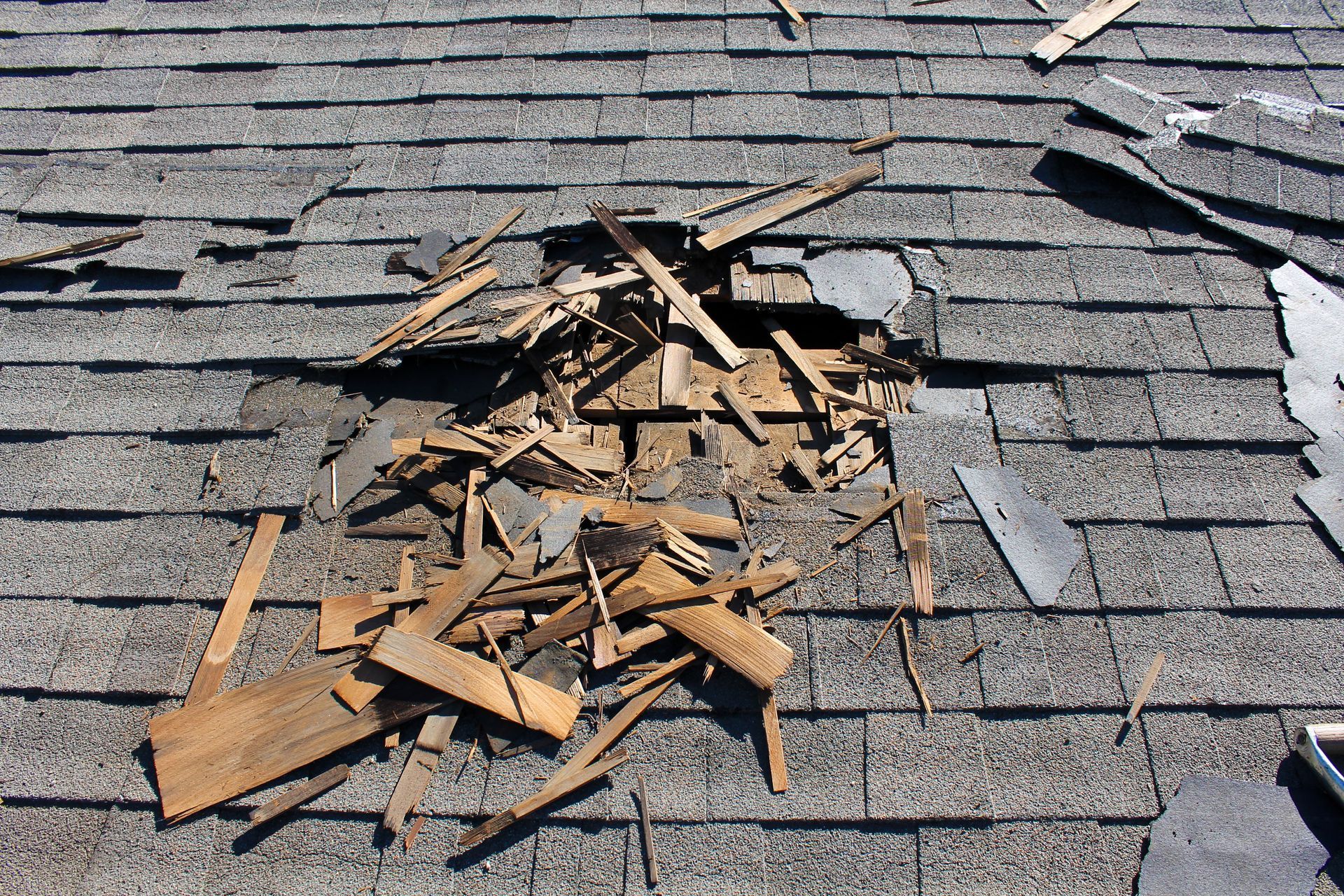
Roof tear-off: A single layer of shingles on a typical 1,500–2,500 sq ft home can weigh 2–4 tons. A 20-yard works for most residential roof jobs, but shingles are dense — confirm the weight allowance with your provider and do not overfill past the fill line or it cannot legally be hauled.
New construction or multi-room gut: Framing waste, OSB, packaging material, and mixed debris from a new build or full renovation fills volume fast. A 40-yard lets you load one container through the whole project rather than paying for a mid-job swap-out.
Garage or basement cleanout: Mixed junk and light debris rarely needs more than a 20-yard. A full estate cleanout with furniture, appliances, and construction debris is the exception — that combination fills volume quickly and often justifies the 40-yard.
Flooring replacement (whole house): Material weight is the deciding factor here. Carpet and vinyl can usually fit a 20-yard; hardwood and tile are heavier and push toward the 40-yard for larger homes.
Loading and Weight Tips Before You Fill the Bin
How you load the dumpster affects whether it can be picked up on schedule — and whether you get hit with extra fees.
Distribute heavy materials — concrete, brick, and shingles — evenly across the floor of the container rather than piling them in one corner. Place flat items like drywall sheets and plywood panels on the bottom so irregular debris stacks on top, which maximizes the usable cubic footage. Never fill past the marked fill line; an overfilled container cannot be transported legally and will sit on your site until material is removed.
Standard exclusions apply: no liquids, no hazardous waste, and no tires. Concrete and brick are so dense that even a modest volume can hit weight limits fast — if your job is mostly concrete, ask about options for heavy debris before you book.
What to Expect on Delivery and Pickup Day in Texarkana
Delivery day runs smoothly when the drop site is ready before the truck arrives — here is what that looks like in practice.
The roll-off truck needs roughly 60 feet of straight clearance to back in and lower the container. Watch for overhead hazards: power lines, tree branches, and roof overhangs require about 23 feet of vertical clearance. If you have a concrete or asphalt driveway, ask whether the provider places boards under the container to protect the surface.
Rental periods typically run 7 to 14 days. You call when the container is full or when your project wraps, and the provider schedules pickup. Learn more about the dumpster removal and emptying process so you know what to expect when the truck returns. Extensions are usually available if your project runs long — just confirm that when you book.
Nash, TX residents and contractors working on the Arkansas side of the metro are both within the local service area. Tight streets in some older Texarkana neighborhoods tend to favor the 20-yard's smaller truck profile, so flagging your street layout when you call helps the driver plan the drop.
Is a Dumpster Rental the Right Choice — or Is Junk Pickup a Better Fit?
A dumpster rental makes sense when you are loading debris yourself over multiple days. A junk pickup service is a better fit when you need everything gone in a single visit without a container sitting on your property.
If your HOA or neighborhood has rules about roll-off containers on driveways or streets, junk pickup avoids that friction entirely. It also works well when you have a few large items — furniture, appliances, a small pile — rather than a sustained stream of construction debris. For contractors filling a dumpster daily during a build, or homeowners loading debris across a week-long remodel, the rental is the more practical and cost-effective choice.
Choosing the right service from the start means no surprises mid-project — and no paying for capacity you do not need.
A quick size check before you book keeps your project on schedule and your costs predictable. Matching the container to your actual material type and volume is the single most useful thing you can do before the truck shows up.
Start your project on the right foot — explore your options with RBT Disposal and schedule dumpster delivery in Texarkana for same-week service.